

Last updated on: January 3, 2024
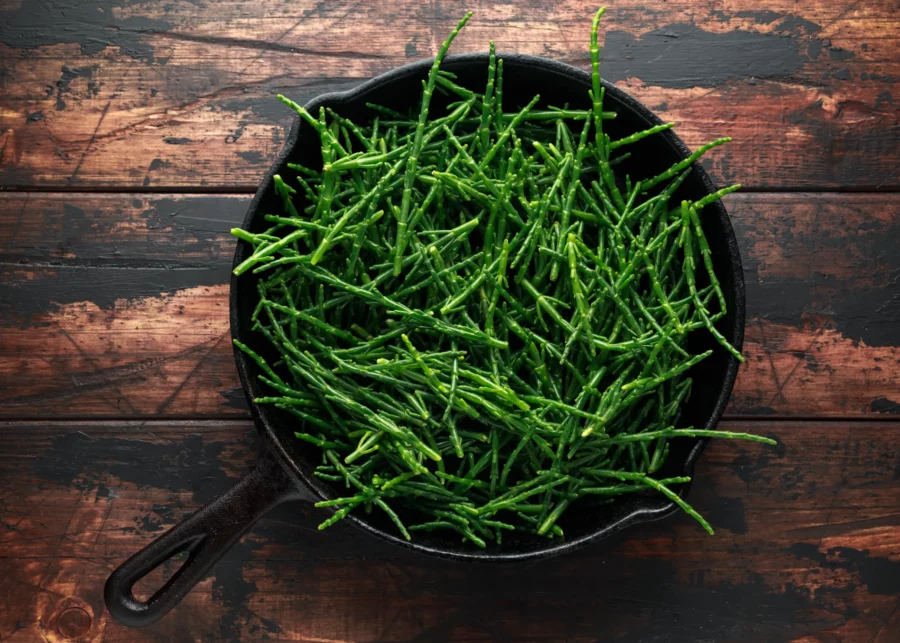
Whether you've stumbled upon samphire at your local farmers market or have been curious to try it for some time, our comprehensive guide will teach you how to cook samphire to perfection. From selecting and storing to various cooking techniques, we've got you covered.
Introduction
A brief history of samphire as a culinary ingredient
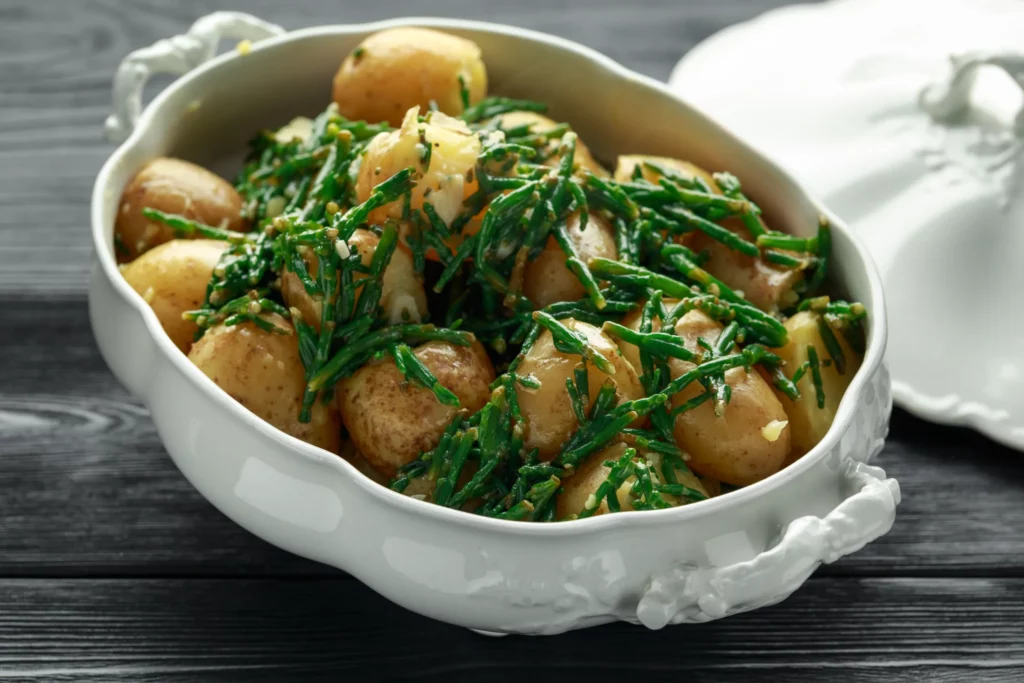
Samphire, also known as sea asparagus, has long been a favourite in coastal regions of Europe, particularly in England, where it was traditionally foraged and pickled. In recent years, it has gained popularity worldwide as a unique and delicious addition to various dishes.
Nutritional value and health benefits of samphire
Samphire is not only tasty but also packed with nutrients. Rich in vitamins A, C, and B, as well as minerals like potassium, calcium, and magnesium, it's a healthy and flavorful addition to your meals. Additionally, it's high in dietary fibre, which supports digestion.
Types of samphire: marsh and rock samphire
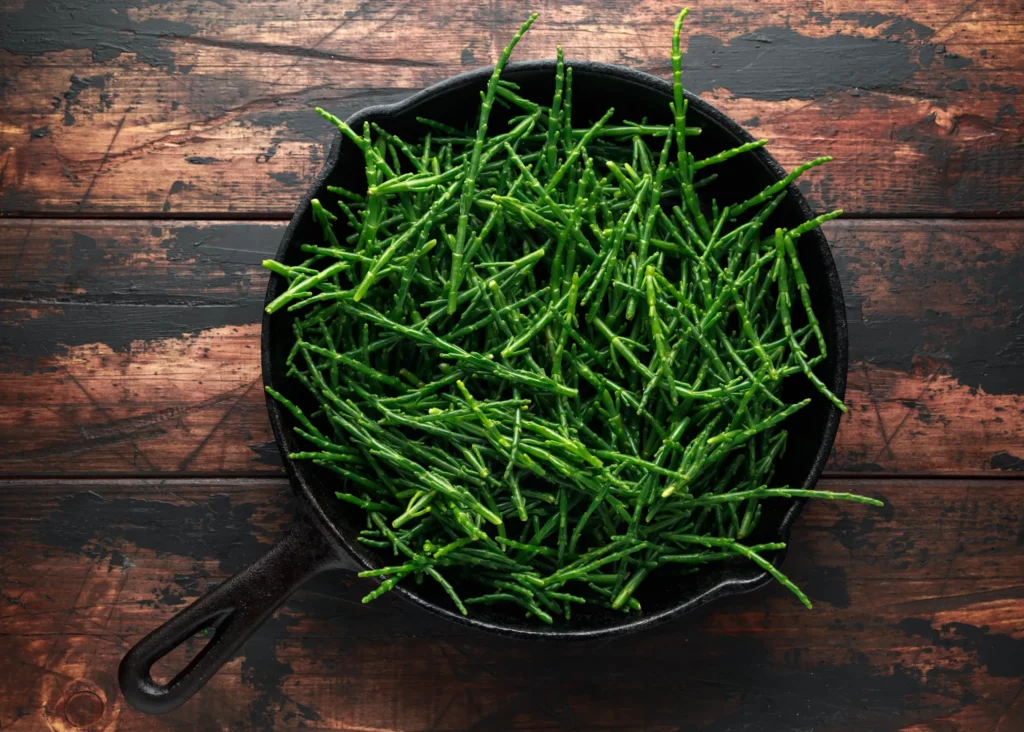
There are two main types of samphire: marsh samphire (Salicornia europaea) and rock samphire (Crithmum maritimum). Marsh samphire is more common and has a milder flavour, while rock samphire has a stronger, slightly bitter taste. This guide will primarily focus on marsh samphire.
Selecting and Storing Samphire
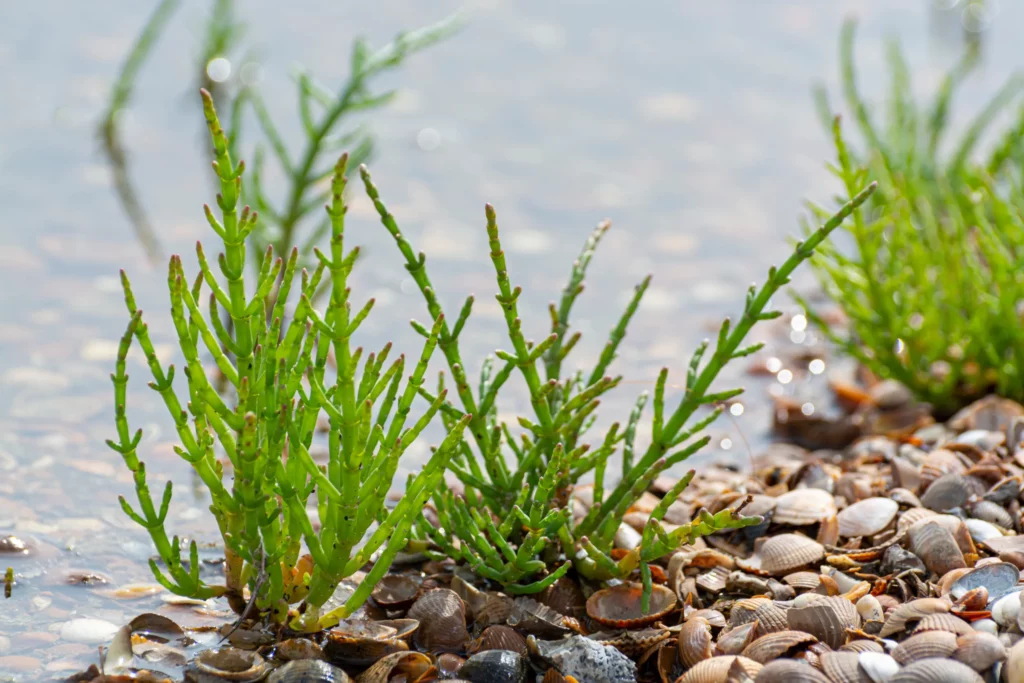
Tips for choosing fresh samphire
- Colour and texture: Look for samphire with bright green colour and firm, crisp stems. Avoid any samphire that appears limp, brown, or slimy.
- Smell: Fresh samphire should have a pleasant, slightly salty smell reminiscent of the sea. If it smells sour or off, it's past its prime.
How to store samphire
- Refrigeration: Store fresh samphire in a loosely wrapped plastic bag with a damp paper towel in the refrigerator for up to five days.
- Freezing: You can also freeze samphire for longer storage. Blanch it first, then shock it in ice water, drain well, and freeze in airtight bags or containers for up to six months.
Preparing Samphire for Cooking
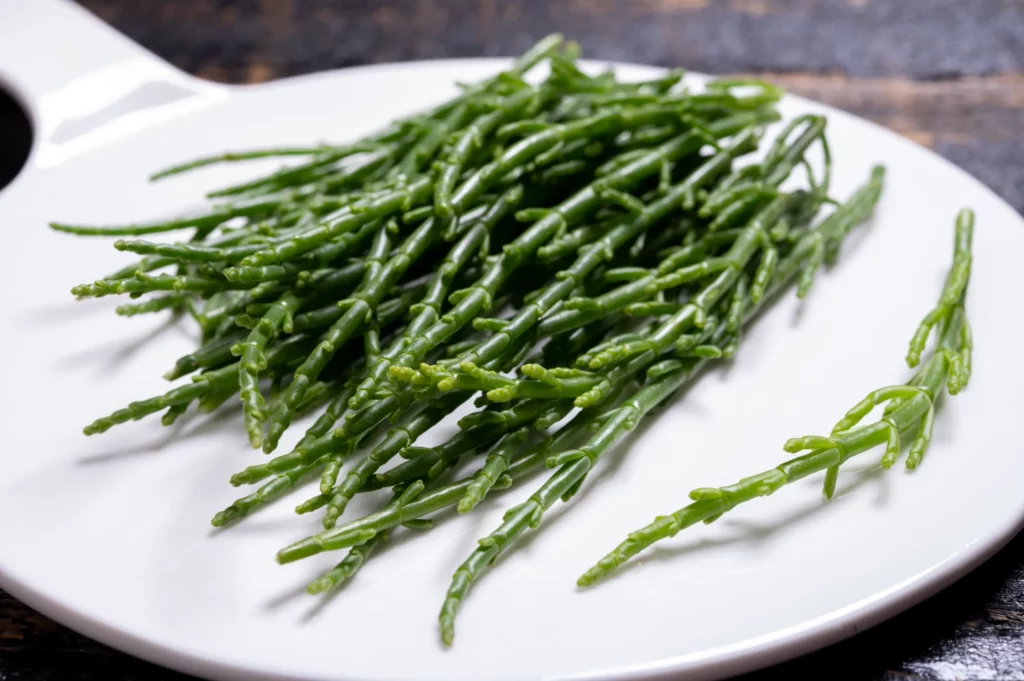
A. Washing and cleaning
Rinse the samphire thoroughly under cold running water to remove any sand, grit, or debris. Shake off excess water and pat dry with a clean kitchen towel or paper towel.
B. Removing tough stems
Trim off any tough, woody stems at the base of the samphire. You can also remove any overly thick or fibrous stems by gently pulling them away from the main stalk.
C. Blanching (optional)
If you prefer a milder flavour and softer texture, blanch the samphire in boiling water for 30 seconds to 1 minute, then immediately plunge it into ice water to stop the cooking process. Drain well before proceeding with your chosen cooking method.
D. Portioning
Divide the cleaned and trimmed samphire into equal portions, depending on the number of servings you're planning.
How To Cook Samphire
Boiling
- How to boil samphire: Bring a pot of water to a boil and add the samphire. Be aware that samphire is naturally salty, so you may not need to add any additional salt to the water.
- Cooking time and tips: Boil the samphire for 3-4 minutes or until tender but still retaining some crunch. Drain well and serve immediately.
Steaming
- Steaming samphire in a steamer basket: Place the samphire in a steamer basket set over a pot of boiling water, ensuring the water doesn't touch the samphire.
- Cooking time and tips: Steam for 3-5 minutes, until tender but still crisp. Serve immediately.
Sautéing
- Choosing the right oil or butter: Heat a frying pan over medium heat and add a small amount of oil (such as olive oil) or butter.
- Flavourings and spices: Consider adding garlic, red pepper flakes, or other seasonings to the skillet before adding the samphire.
- Cooking time and tips: Sauté the samphire for 3-4 minutes, tossing occasionally, until it's tender but still has some bite. Serve hot.
Roasting
- Preparing samphire for roasting: Preheat your oven to 200°C (400°F). Toss the samphire with a small amount of oil and any desired seasonings.
- Cooking time and temperature: Spread the samphire in a single layer on a lined baking sheet and roast for 8-10 minutes, until tender and slightly caramelized.
- Flavour combinations and recipe ideas: Try roasting samphire with lemon wedges, cherry tomatoes, or olives for a burst of flavour.
Grilling
- Preparing samphire for grilling: Toss the samphire with a small amount of oil and any desired marinade or seasonings.
- Cooking time and technique: Grill the samphire directly on the grates or in a grill basket over medium-high heat for 3-4 minutes, turning occasionally, until tender and slightly charred.
- Marinades and seasoning ideas: Consider marinating samphire in a mixture of olive oil, lemon juice, and herbs for a flavorful twist.
Serving Suggestions
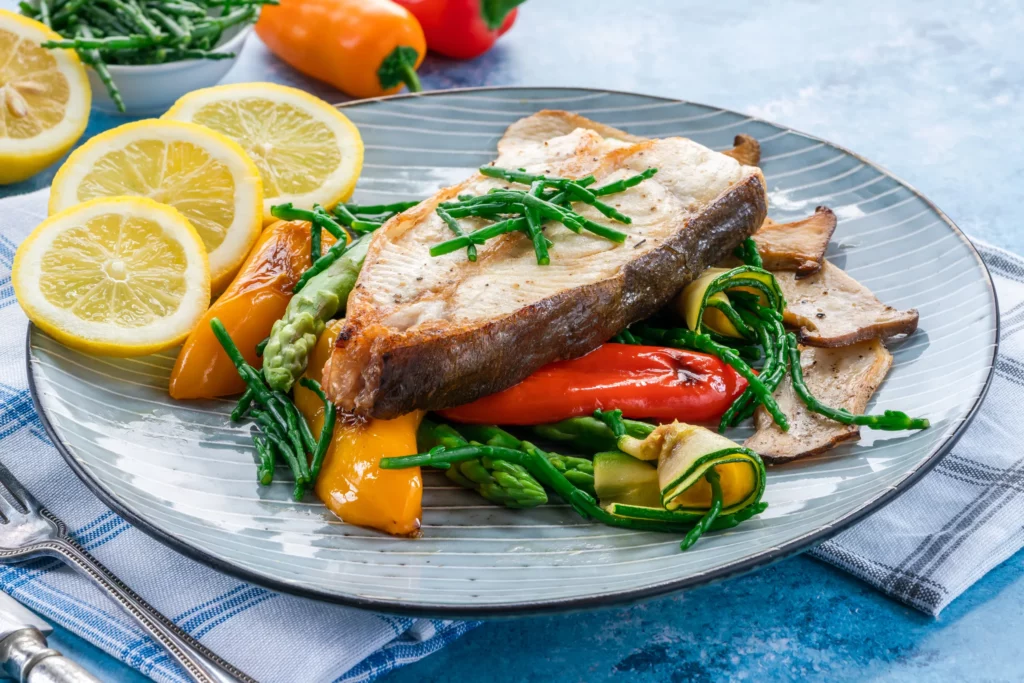
Pairing samphire with proteins
- Seafood: Samphire pairs exceptionally well with seafood, such as fresh lobster, grilled fish, or baked salmon. Or this recipe for Thai Salmon foil packets.
- Poultry: Serve samphire alongside roasted chicken or turkey for a unique and delicious side dish.
- Meat: Complement grilled gammon steaks, lamb chops, or pork mince recipes with samphire for a burst of coastal flavour.
Incorporating samphire into salads
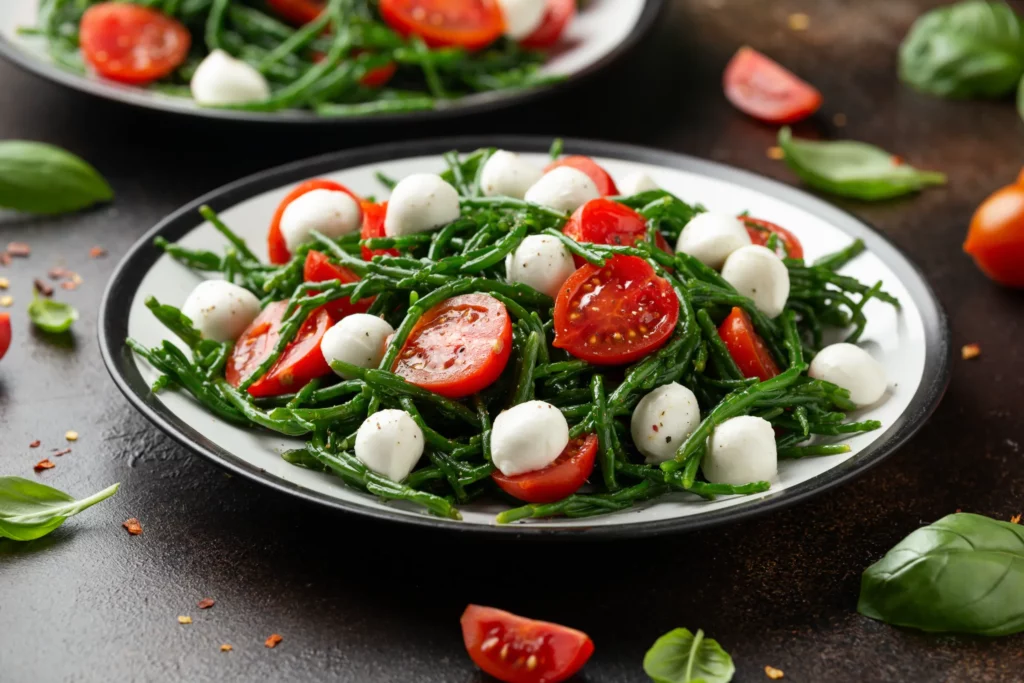
- Simple samphire salad: Toss blanched samphire with mixed greens, cherry tomatoes, and a light vinaigrette for a refreshing salad.
- Samphire, tomato, and feta salad: Combine blanched samphire, cherry tomatoes, crumbled feta cheese, red onion, and fresh basil with a lemony dressing.
- Samphire and avocado salad: Mix blanched samphire, diced avocado, cucumber, and red bell pepper, then drizzle with a lime and cilantro dressing.
Using samphire as a garnish
- Garnishing fish dishes: Place a small bundle of cooked samphire on top of your fish dish for an elegant presentation.
- Enhancing paella and risotto dishes: Stir cooked samphire into paella, risotto, or pasta recipes for added texture and flavour
- Adding samphire to omelettes and quiches: Incorporate cooked samphire into omelettes, frittatas, or quiches for a unique and tasty twist.
Tips for How To Cook Samphire
Balancing the natural saltiness
Since samphire is naturally salty, you may need to adjust the amount of salt you use in your recipes. Taste the dish as you go and adjust the seasoning accordingly.
Adding acidity and sweetness
The salty flavour of samphire pairs well with acidic ingredients like lemon or vinegar, and sweet ingredients like cherry tomatoes or bell peppers. Experiment with these flavor combinations to find your perfect balance.
Cooking samphire in batches
When sautéing or grilling samphire, cook it in batches to avoid overcrowding the pan or grill. This ensures even cooking and prevents steaming.
Reheating leftovers
Reheat leftover cooked samphire by steaming, sautéing, or microwaving until warmed through. Be careful not to overcook, as samphire can become mushy if cooked too long.
Conclusion
With its versatility and unique flavour, samphire makes an excellent addition to a variety of dishes. We hope this comprehensive guide has inspired you to try cooking samphire at home and experiment with different techniques and recipes. Enjoy the coastal delight that is samphire and watch it become a favourite ingredient in your kitchen!
Learning 'How to Cook Samphire' introduces you to a unique and nutritious vegetable that can add a fresh, salty crunch to various dishes. Incorporating samphire into your meal prep routine, as outlined in our 'Meal Prep Recipe Ideas for Busy People,' can bring a burst of flavor and nutrition to your weekly meals. Samphire works well in a range of dishes, from salads to seafood, making it a versatile choice for meal prepping. Explore our Meal Prep Recipe Ideas for Busy People to find innovative ways to include samphire in your diet, ensuring your meals are not only convenient but also delicious and healthy.


Scott is the owner and founder of Food For Fitness. He is a fat loss coach, speaker and fitness writer with a masters (MSc) degree in Applied Sports Nutrition.