


Last updated on: March 9, 2026
Isn't it a bummer when you're hustling hard at the gym, skipping those enticing treats, and yet the darn scale doesn't budge an inch? You might find yourself asking, "Why am I not losing weight?" Well, you've come to the right place! This article will take you on a tour, illuminating the often overlooked and sneaky reasons that could be messing with your weight loss progress.
Reason 1: Your Calorie Intake is Much Higher Than You Think
Ever find yourself exclaiming, "I hardly eat anything, yet I don't lose weight!" Well, you might be in for a reality check. It's quite possible that your calorie intake is playing hide and seek with you. Let's delve into why.

What's the deal with calorie intake and weight loss?
When it comes to weight loss, calories do count. They’re the energy you consume, and anything extra you don't burn off, well, it's stored as fat. There are two crucial components here, your Basal Metabolic Rate (BMR) and Total Daily Energy Expenditure (TDEE). The BMR is the number of calories you burn at rest, while TDEE is the total calories you burn in a day, including exercise. If you consume more calories than your TDEE, you'll likely gain weight.
Common misjudgments in calorie counting
As the saying goes, "The devil is in the details," and he sure loves to lurk in the corners of your diet. Two major culprits are underestimating portion sizes and overlooking hidden calories. That innocent-looking dollop of sauce, that refreshing glass of fruit juice, and yes, even that little cube of cheese can pile on more calories than you'd suspect. Our previous article on fake health foods sheds more light on these stealthy calorie contributors.
Two major culprits are underestimating portion sizes and overlooking hidden calories. Share on XHow to keep an eye on your calorie intake?
Calorie counting doesn't mean you need to carry a calculator around (although there's a handy app for that). A few mindful practices can go a long way. Get acquainted with food labels, invest in measuring cups, and consider food tracking apps to stay on top of your calorie intake. Moreover, experimenting with healthy, low-calorie food swaps can be a game-changer. For instance, opt for a veggie-packed salad over a cheesy pasta dish or a piece of fresh fruit instead of sugar-laden pastries.
Reason 2: You're Not Losing Weight Because Your Non-Exercise Activity Thermogenesis (NEAT) Has Slumped

The lowdown on NEAT
While we all love to be couch potatoes from time to time, leading a mostly sedentary lifestyle can wreak havoc on your weight loss goals. Enter NEAT, or Non-Exercise Activity Thermogenesis, the calories you burn doing regular, non-exercise activities. This includes everything from walking to your car, grocery shopping, even fidgeting at your desk! And these seemingly insignificant movements can add up to a significant part of your daily calorie expenditure.
Why has your NEAT slumped?
With the advent of technology and comfort-oriented lifestyles, NEAT has taken a backseat. We're sitting more and moving less. Office jobs, lengthy commutes, and after-work Netflix binges significantly reduce our daily NEAT.
Jazzing up your NEAT
Revving up your NEAT can be as simple as a walk in the park, literally! Consider incorporating standing or walking meetings at work. Opt for the stairs instead of the elevator, and park your car a little farther from your destination. You can even make household chores a fun activity (yes, you heard it right!). Dancing while vacuuming, anyone?
Reason 3: You're Not Burning as Many Calories Exercising as You Think
Workouts are a bit like spicy foods - they can heat things up, but maybe not as much as you think. Overestimating how many calories you burn while exercising is a common misstep. Let's cut through the fog and bring the facts into sharp focus.

Exercise and calorie burn: Let's get real
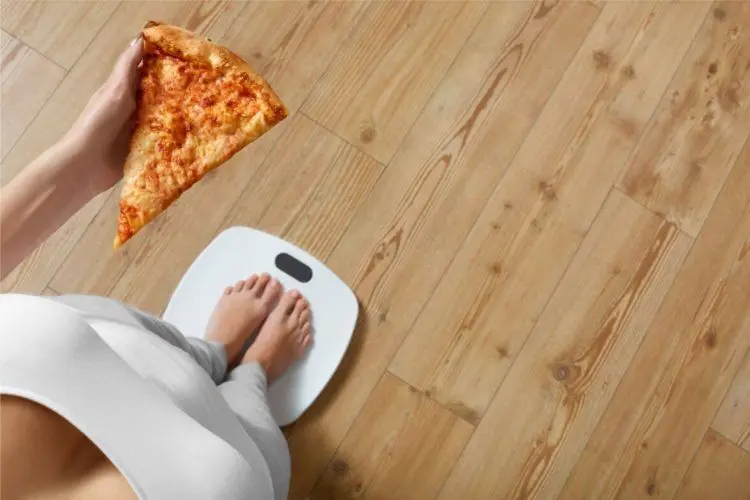
Have you ever treated yourself to a pizza slice after a hard workout, thinking you’ve burned off enough calories? Yeah, most of us have been there. Unfortunately, even intense workouts may not burn as many calories as we'd like to believe. Moreover, individual factors such as weight, age, sex, and fitness level also play a role in how many calories you burn.
Individual factors such as weight, age, sex, and fitness level also play a role in how many calories you burn. Share on XHow to maximize calorie burn during exercise?
Now that we've addressed the elephant in the room, let's talk about making your workouts work for you. High-intensity interval training (HIIT) can be a great calorie-torching option. These short, intense bursts of exercise not only burn more calories during the workout but also keep your metabolism elevated after you're done, a phenomenon known as the afterburn effect. Our HIIT cardio weight loss guide provides a detailed look at this.
Strength training is another piece of the puzzle. Building muscle can help ramp up your metabolism, which in turn increases your BMR and helps you burn more calories even while resting.
Consistency and variety in workout routines also help keep your calorie burn optimal. Mixing it up prevents your body from getting too efficient at any one exercise, which can decrease its calorie-burning potential. And let's not forget the importance of having a reliable fitness tracker to help keep tabs on your calorie burn accurately.
Reason 4: You're Experiencing Water Fluctuations
Let's make a splash and talk about water! The scale can sometimes be a tricky beast, especially when it comes to water fluctuations. If your weight is as unpredictable as a suspense thriller, water weight could be the culprit.
What's the deal with water weight?
Water weight isn't fat. It's the extra water that's stored throughout your body, and it can cause your weight to fluctuate by as much as 2 to 4 pounds in a single day. Sodium intake, hydration levels, and even hormonal changes can significantly impact how much water your body retains.
How to manage water weight fluctuations?
Remember, you're not just what you eat but also what you drink. Staying hydrated helps regulate your body's water balance and reduce bloating. Cutting down on high-sodium foods can also keep those water fluctuations in check. Ladies, your weight might spike a bit during your menstrual cycle due to water retention - but don't worry, it's only temporary. Our article on training and nutrition during your period offers some handy tips.
Conclusion
When the weight loss journey feels like a steep uphill climb, understanding these four roadblocks can provide the traction you need to keep moving forward. Be it accurately counting your calorie intake, jazzing up your NEAT, optimizing your workouts, or keeping an eye on water fluctuations, the key is awareness and consistent action.
Remember, weight loss isn't a sprint; it's more of a marathon. So take it one step at a time, stay patient, and always listen to your body. Oh, and while you're at it, don't forget to check out our best calorie-counting app for some high-tech assistance in your weight-loss journey. Here's to becoming the best version of you!
While addressing the reasons behind your weight loss plateau, it's also crucial to dispel some prevalent myths that can impact your approach. A common misconception in the weight loss journey is the idea of 'starvation mode,' where it's believed that too low a calorie intake can halt fat burning. This myth can cause unnecessary worry and lead to unsustainable diet practices. For a deeper understanding of the reality of starvation mode in weight loss and how it fits into the broader context of healthy weight management, delve into our comprehensive guide on Starvation Mode and Weight Loss.


Scott is the owner and founder of Food For Fitness. He is a fat loss coach, speaker and fitness writer with a masters (MSc) degree in Applied Sports Nutrition.